

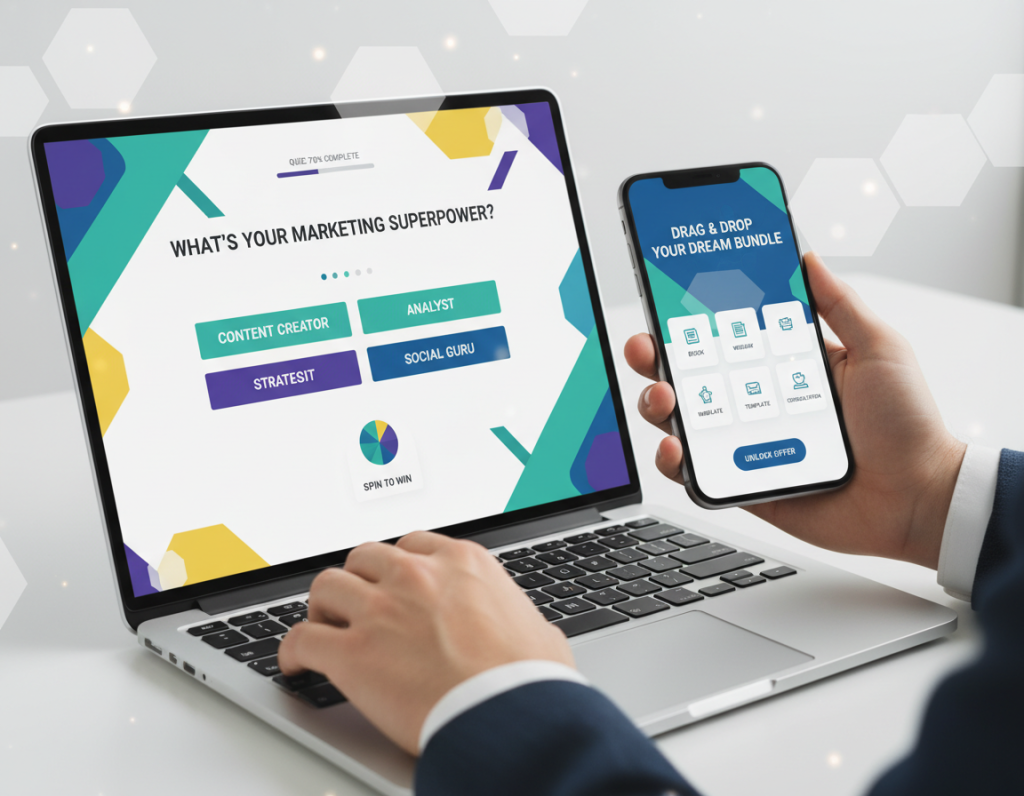
As digital audiences become more selective about what they engage with, simply publishing static content is no longer enough. People scroll fast, skip easily, and expect more than text or images on a screen. This shift has pushed interactive content to the forefront of modern digital marketing, helping brands capture attention, increase engagement, and create more meaningful experiences.
Interactive content transforms users from passive viewers into active participants. Instead of just consuming information, audiences engage, respond, explore, and interact, which leads to stronger connections and better results.
What Is Interactive Content?
Interactive content is any digital content that invites users to take action rather than simply read or watch. It creates a two-way experience by allowing people to click, answer, calculate, swipe, or explore based on their own choices. This approach is commonly used across websites, social media, email campaigns, and landing pages to encourage deeper involvement.
By giving users control over how they interact with the content, brands can deliver more personalised and engaging experiences that feel relevant rather than promotional.
Common Types of Interactive Content
Interactive content comes in many forms and can be adapted to suit different goals and industries. Calculators and configurators allow users to input their own data and receive tailored results, making them especially useful for pricing estimates, product recommendations, or technical calculations. Interactive infographics and videos let users explore information at their own pace, revealing details based on what interests them most. Quizzes and polls are highly effective for boosting engagement, gathering feedback, and learning more about audience preferences in a fun, low-effort way.
These formats don’t just present information, they invite participation, which keeps users engaged for longer.
Why Interactive Content Is So Effective
One of the biggest advantages of interactive content is improved understanding and retention. When users actively participate, they’re more likely to absorb and remember the information. This makes interactive formats particularly effective for education, product explanations, and decision-making tools.
Interactive content also provides valuable insight into audience behaviour. Every click, response, or input can reveal preferences, challenges, and intent, helping businesses refine their messaging and marketing strategies based on real data rather than assumptions.
From a performance perspective, interactive content is a powerful driver of leads and conversions. Tools like quizzes, assessments, and calculators often require users to engage meaningfully, which naturally qualifies them as warmer leads. Many brands see significantly higher conversion rates compared to traditional static content.
Beyond performance, interactive content helps brands stand out. Unique, engaging experiences leave a stronger impression and position a business as innovative and customer-focused. When users enjoy interacting with content, they’re also more likely to share it, extending reach organically across social platforms and increasing brand visibility.
Why Interactive Content Matters More Than Ever
Online behaviour continues to evolve. Audiences no longer want to be spoken at, they want to be involved. Interactive content meets this expectation by creating experiences rather than broadcasts. For businesses, this opens the door to deeper engagement, stronger trust, and long-term customer relationships.
Brands that embrace interactive content are better positioned to capture attention, gather insights, and turn engagement into measurable results. It’s no longer a “nice to have” — it’s a competitive advantage.
If you’re looking to incorporate interactive content into your digital marketing strategy and want guidance on where to start, our team can help you build experiences that engage and convert.
👉 Start the conversation with Core Media: https://coremedia.team/contact/